Waste Tyres, Valuable Fuels: A Deep Dive into Pyrolysis Technology

In the face of escalating environmental concerns and the pressing need for sustainable waste management practices, pyrolysis technology has emerged as a beacon of hope, particularly in the transformation of waste tyres into valuable fuels by tyre pyrolysis plant. This article takes a comprehensive dive into the intricate world of waste tyre pyrolysis, exploring the technology, processes, and the high-quality fuels it produces.

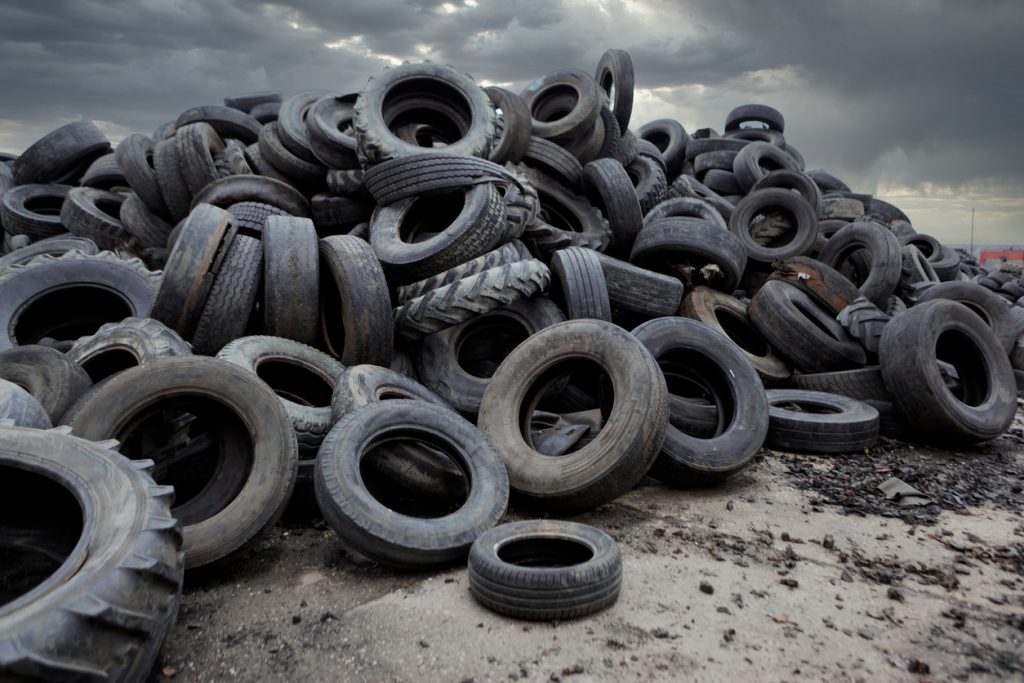
tyre waste

Understanding Waste Tyre Pyrolysis

The Pyrolysis Process

Waste tyre pyrolysis is a thermal decomposition process that involves subjecting discarded tyres to elevated temperatures in the absence of oxygen. This controlled heating induces a series of complex chemical reactions, resulting in the breakdown of the tyre’s molecular structure. The primary outputs of this process are fuel products, carbon black, and steel.

Environmental Impact

The environmental benefits of waste tyre pyrolysis are substantial. By diverting tyres from traditional disposal methods, which often involve landfills or incineration, this technology reduces the environmental footprint associated with tyre waste. Additionally, the production of valuable fuels from discarded tyres offers a sustainable alternative to conventional fossil fuels. The small scale pyrolysis plant also contribute to the reduction of waste.

Valuable Fuels from Waste Tyre Pyrolysis

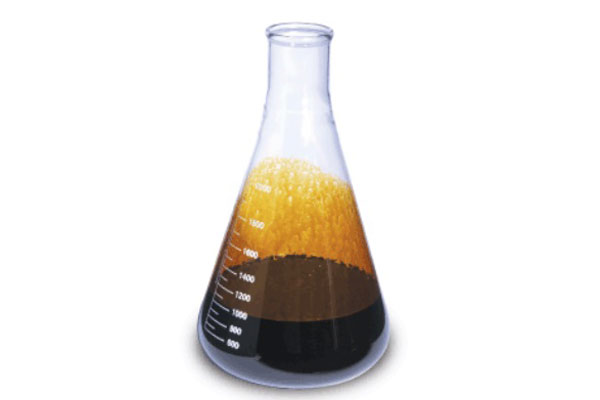
Pyrolytic Oil: Liquid Gold from Rubber

One of the key products derived from waste tyre pyrolysis is pyrolytic oil, often referred to as tyre oil or tire-derived oil. This liquid gold is a complex mixture of hydrocarbons, bearing similarities to crude oil. The applications of pyrolytic oil extend across various industries, making it a versatile and valuable fuel source.

Applications of Pyrolytic Oil

1. Fuel Production: Pyrolytic oil can be further refined and processed to produce high-quality fuels, including diesel and gasoline substitutes.

2. Industrial Heating: The combustion of pyrolytic oil generates heat, making it suitable for industrial heating applications and steam generation.

3. Chemical Feedstock: The diverse composition of pyrolytic oil makes it a potential feedstock for the production of chemicals and other valuable products.

Syngas: A Gaseous Energy Stream

Syngas, short for synthesis gas, is another significant byproduct of waste tyre pyrolysis. Comprising hydrogen, carbon monoxide, and trace amounts of methane, syngas is a versatile gas with various applications, especially in the energy sector.

Energy Applications of Syngas

1. Power Generation: Syngas can be used as a fuel in gas turbines or engines to generate electricity.

2. Chemical Synthesis: The versatile nature of syngas makes it a valuable precursor for the synthesis of chemicals and fuels.

3. Biomass Gasification: Syngas derived from waste tyre pyrolysis can be used in biomass gasification, expanding its applications to a broader range of feedstocks.

Carbon Black: A Sustainable Industrial Material

Carbon black, a fine black powder composed predominantly of elemental carbon, is a solid byproduct of waste tyre pyrolysis. While traditionally used as a reinforcing filler in tires, carbon black from pyrolysis can find applications beyond the automotive industry.

Industrial Applications of Carbon Black

1. Rubber Manufacturing: Reclaimed carbon black can be reintroduced into the rubber manufacturing process, contributing to a circular economy for rubber products.

2. Ink Production: Carbon black serves as a key component in ink production, finding applications in printing and packaging industries.

3. Coatings and Paints: The unique properties of carbon black make it a valuable additive in coatings and paints, enhancing their durability and color.

Recycling Tyre Waste

Advantages of Waste Tyre Pyrolysis

1. Waste Reduction and Recycling

Waste tyre pyrolysis provides an effective solution for reducing the environmental impact of discarded tyres. Instead of ending up in landfills or contributing to tire stockpiles, tyres can be converted into valuable fuels and industrial materials through pyrolysis.

2. Energy Recovery and Independence

The production of high-quality fuels, such as pyrolytic oil and syngas, contributes to energy recovery. By harnessing these fuels, industries can reduce their reliance on traditional fossil fuels, promoting energy independence and sustainability.

3. Circular Economy

Waste thermal desorption plant aligns with the principles of a circular economy by reintroducing valuable byproducts, like carbon black, back into the manufacturing process. This closed-loop approach minimizes waste and maximizes the utility of discarded materials.

4. Environmental Benefits

The environmental benefits of waste tyre pyrolysis are multifaceted. It reduces the volume of waste in landfills, mitigates the environmental hazards associated with tire incineration, and contributes to carbon sequestration through the utilization of carbon-rich byproducts.

Challenges and Considerations

While waste tyre pyrolysis presents a promising solution, it is not without challenges and considerations.

1. Technological Optimization

Optimizing the pyrolysis process to enhance efficiency and increase the yield of valuable byproducts remains an ongoing challenge. Researchers are continually exploring advanced technologies to address these optimization needs.

2. Economic Viability

The economic viability of waste tyre pyrolysis depends on various factors, including the cost of technology implementation, market demand for the produced fuels, and regulatory frameworks. Striking a balance between economic feasibility and environmental sustainability is crucial.

3. Environmental Impact Assessment

Ensuring that the overall environmental impact of waste tyre pyrolysis is positive requires careful assessment. This includes considerations for emissions, waste management practices, and the potential long-term effects of the byproducts.

Future Directions and Innovations

As waste tyre pyrolysis continues to evolve, ongoing research and innovation are essential to address existing challenges and unlock new opportunities.

1. Advanced Pyrolysis Technologies

Researchers are exploring advanced pyrolysis technologies, such as microwave and plasma pyrolysis, to improve the efficiency and environmental performance of the process.

2. Integration with Other Technologies

Combining waste tyre pyrolysis with complementary technologies, such as gasification or hydrothermal processing, holds promise for enhancing overall process efficiency and diversifying the range of valuable byproducts.

3. Policy and Regulatory Support

Establishing supportive policies and regulatory frameworks is crucial for fostering the widespread adoption of waste tyre pyrolysis. Governments and regulatory bodies play a pivotal role in incentivizing sustainable waste management practices.

Conclusion

Waste tyre pyrolysis stands at the intersection of environmental stewardship and resource recovery, offering a transformative solution to the global challenge of tire waste. Through the conversion of discarded tyres into valuable fuels and industrial materials, pyrolysis technology not only mitigates environmental hazards but also contributes to a more sustainable and circular economy. When you are finding more information, view https://www.bestongroup.com/cy/. As technology continues to advance and the world seeks innovative ways to address waste and energy challenges, waste tyre pyrolysis emerges as a beacon of hope—a shining example of turning a potential environmental burden into a valuable resource.

Unlocking the Potential of Biochar Production Equipment

In the ever-evolving landscape of sustainable agriculture and environmental consciousness, biochar production equipment stands at the forefront, offering a unique solution that marries agricultural productivity with carbon sequestration. This advanced machinery plays a pivotal role in transforming organic waste into a valuable resource while contributing to the burgeoning biochar fertilizer market.

The Biochar Revolution

Biochar, often referred to as “black gold” in the agricultural world, is a carbon-rich material produced through a process known as pyrolysis. It involves heating organic biomass, such as wood chips, crop residues, or even animal manure, in the absence of oxygen. This results in the conversion of organic matter into a stable form of carbon that can be used as a soil conditioner or a component of fertilizers.

The Core of Biochar Production

Biochar production equipment is the linchpin of this transformation. These sophisticated machines are engineered to withstand high temperatures and precisely control the pyrolysis process. The equipment typically comprises several key components, including:

Pyrolysis Chamber: This is where the magic happens. Biomass is introduced into the chamber, where it undergoes thermal decomposition in the absence of oxygen. The high temperatures drive off volatile compounds, leaving behind biochar as the end product.

Gas Collection System: As biomass undergoes pyrolysis, gases are released. These gases, often rich in energy, can be captured and utilized as a valuable byproduct or for powering the equipment itself.

Condensation and Filtration: To ensure the purity of the biochar, any remaining gases or impurities are filtered out before the final product is collected.

Heat Recovery Systems: Efficient biochar production often includes heat recovery mechanisms to maximize energy efficiency.

Installing Biochar Production Equipment

The Importance of Biochar Equipment

The significance of specialized biochar equipment cannot be overstated. It not only streamlines the production process but also ensures that the resulting biochar meets the high standards demanded by both agricultural and environmental applications.

In the context of the biochar fertilizer market, this charcoal making machine plays a dual role. First, it produces high-quality biochar that enhances soil fertility and moisture retention. Second, it contributes to reducing greenhouse gas emissions by sequestering carbon that would otherwise be released into the atmosphere during biomass decomposition.

Advanced Techniques

Modern biochar production equipment incorporates advanced techniques to optimize the biochar’s properties. These include:

Temperature Control: Precise temperature management during pyrolysis can yield biochar with specific characteristics tailored to different crops and soils.

Feedstock Flexibility: Versatile equipment can process a wide range of biomass feedstocks, making it adaptable to different agricultural regions and waste streams. Get charcoal making machine price here.

Automation: Automation technology streamlines operations, reduces labor requirements, and ensures consistent product quality.

Charcoal
Charcoal

The Expanding Biochar Fertilizer Market

As the benefits of biochar become increasingly evident, the biochar fertilizer market is experiencing rapid growth. Farmers and gardeners are turning to biochar-infused fertilizers for their ability to enhance soil structure, nutrient retention, and overall crop health. Furthermore, the carbon sequestration aspect aligns with sustainability goals and carbon offset initiatives.

In conclusion, biochar production equipment represents a pivotal technological advancement in the realm of sustainable agriculture and environmental conservation. With its capacity to transform organic waste into a valuable resource and contribute to the thriving biochar fertilizer market, this carbonizing machine plays a vital role in fostering a greener, more productive future for agriculture and the planet. Its incorporation of cutting-edge techniques and dedication to precision underscore its importance in today’s agricultural landscape.

Greening the Future: The Sawdust Charcoal Making Machine – Turning Waste into Wealth and Sustainability

In an era of growing environmental concerns and a heightened focus on sustainability, innovative solutions for waste management and renewable energy sources are essential. One such solution is the Sawdust Charcoal Making Machine, a remarkable invention that transforms sawdust waste into valuable charcoal. This revolutionary technology not only reduces waste but also provides an eco-friendly alternative to traditional charcoal production methods.

I. The Mechanism of Sawdust Charcoal Making

The sawdust charcoal making machine operates on the principle of pyrolysis, a process that involves the thermal decomposition of organic materials in the absence of oxygen. This technology effectively converts sawdust, a waste product from wood processing, into high-quality charcoal.

Feeding and Heating: The process begins by feeding the sawdust into a specialized chamber within the machine. It is then heated to high temperatures in the absence of oxygen, typically between 300°C to 600°C.

Pyrolysis Reaction: As the sawdust heats up, it undergoes a chemical transformation known as pyrolysis. During this phase, the organic compounds in the sawdust break down into volatile gases, bio-oil, and charcoal.

Gas and Smoke Removal: The volatile gases and smoke produced during pyrolysis are captured and condensed. This process not only prevents harmful emissions but also yields valuable byproducts such as wood vinegar and tar.

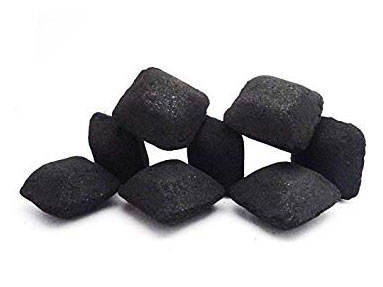
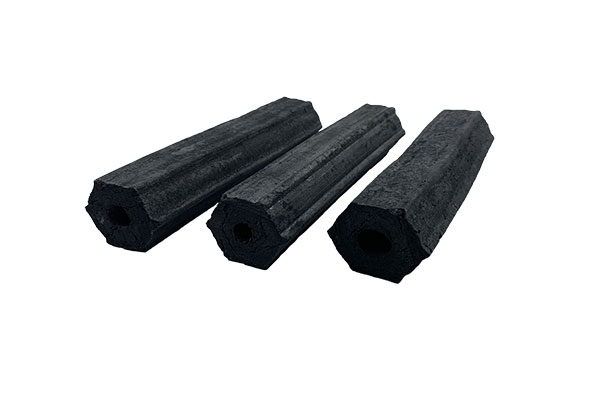
Charcoal Collection: The final product, charcoal, is collected and can be further processed and shaped into various forms, such as briquettes or activated charcoal.

Profitable Sawdust Charcoal Making Machine

II. Environmental Benefits

The sawdust charcoal making machine offers a multitude of environmental benefits, making it a game-changer in the quest for sustainability.

Waste Reduction: One of the most significant advantages is its ability to effectively utilize sawdust waste, reducing the burden on landfills and minimizing environmental pollution.

Carbon Neutral: The carbon footprint of sawdust charcoal production is substantially lower compared to traditional methods, as it recycles carbon dioxide already present in the atmosphere. This makes the process close to carbon-neutral.

No Deforestation: Unlike conventional charcoal production that often leads to deforestation, sawdust charcoal making relies on wood industry byproducts, thereby reducing the demand for fresh timber and protecting forests.

Clean Energy: The resulting charcoal can be used as a clean-burning fuel source, reducing the reliance on fossil fuels and decreasing greenhouse gas emissions.

Sawdust Charcoal for Sale in the Market

III. Economic Advantages

The carbonizing machine that turns sawdust into charcoal also offers several economic advantages, which make it an attractive investment for both individuals and industries.

Cost-Effective: By using sawdust waste as a raw material, businesses can reduce waste disposal costs and generate an additional revenue stream from the sale of charcoal and its byproducts.

Job Creation: The operation and maintenance of these machines create job opportunities in local communities, contributing to economic growth.

Energy Independence: The availability of a renewable and clean energy source reduces dependence on expensive fossil fuels and fluctuating energy prices.

IV. Potential Applications

The versatility of charcoal makes it a valuable commodity for a variety of industries, and the Beston Group sawdust charcoal making machine opens up numerous applications:

Cooking and Heating: Charcoal produced by this machine can be used for cooking, heating, and grilling, providing a cleaner and sustainable alternative to traditional charcoal.

Agriculture: The bio-oil and wood vinegar byproducts can be used as organic fertilizers, enhancing soil fertility and crop yield.

Water Purification: Activated charcoal, a derivative of the process, is widely used in water purification systems to remove impurities and toxins.

Metallurgy: Charcoal can serve as a reducing agent in metallurgical processes, replacing coal and coke with a more eco-friendly option.


Unleash the Power of Charcoal Production with Our Charcoal Machine for Sale

Charcoal production has been around for centuries, and it continues to be an important industry worldwide. Charcoal is a versatile product with a wide range of uses, from cooking to heating, and it’s even used in some industrial processes. However, traditional charcoal production methods are time-consuming, labor-intensive, and often lead to environmental degradation.

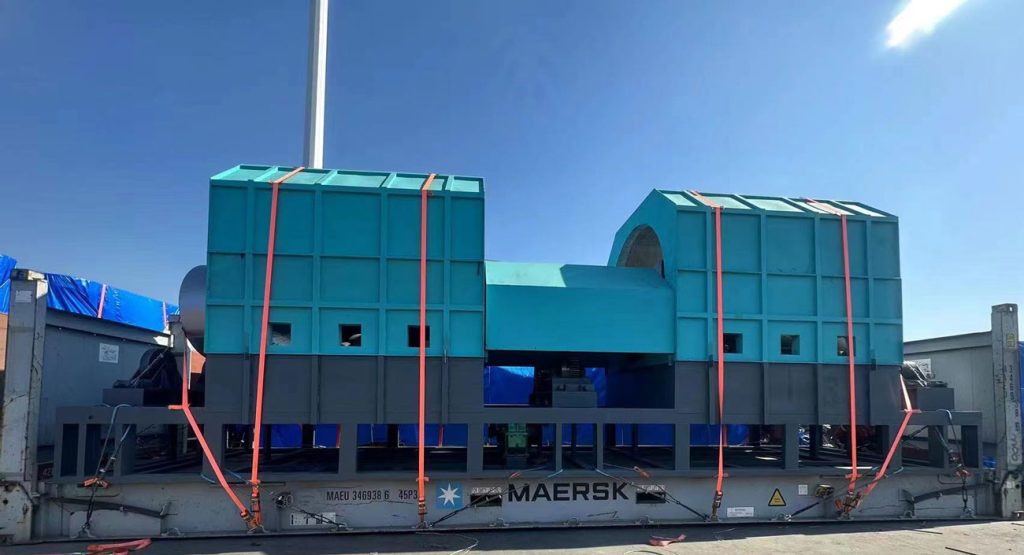
BST-50 Beston Straw Charcoal Making Machine Shipped to Croatia in 2023

This is where charcoal machine for sale comes in. Our machine uses modern technology to streamline the charcoal production process, making it faster, more efficient, and more sustainable. With our machine, you can unleash the power of charcoal production and take your business to the next level.

The charcoal machine for sale that we offer is designed to convert biomass waste, such as wood chips, sawdust, and crop waste, into high-quality charcoal. The process is simple: the biomass waste is fed into the machine, where it is carbonized at high temperatures, producing charcoal as a byproduct. The machine is designed to be easy to operate, energy-efficient, and environmentally friendly.

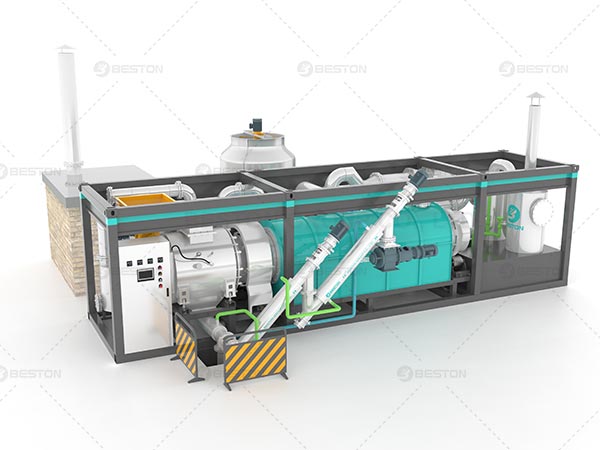
Skid-mounted Charcoal Making Machine Shipped to the USA in 2022

Investing in our carbonization stove has numerous benefits. First and foremost, it allows you to produce high-quality charcoal quickly and efficiently. This means you can increase your production capacity, boost your profits, and meet the growing demand for charcoal in your local market.

Our charcoal machine for sale is also an eco-friendly option. Traditional charcoal production methods involve cutting down trees and burning them in open-air pits, which leads to deforestation, soil erosion, and air pollution. In contrast, our machine uses waste biomass as a raw material, reducing waste and promoting sustainability.

In addition to these benefits, our charcoal machine for sale is also cost-effective in the long run. While the initial investment may seem high, the machine is designed to last for many years with proper maintenance. Over time, the machine can pay for itself through increased production capacity and reduced operating costs.

In conclusion, if you’re looking to unleash the power of charcoal production, our charcoal making machine for sale Philippines is the perfect solution. With its modern technology, efficiency, and sustainability, it can take your business to the next level while reducing your environmental impact. So why wait? Invest in our charcoal machine for sale today and start reaping the benefits!

Things to Know Before Buying Biochar Production Equipment

If you’re looking to add some extra productivity to your biochar production process, you’ll want to check out some of the new biochar production equipment on the market. There are a number of great options available, and it’s important to find the one that best suits your needs. By investing in quality production equipment, you’ll be able to streamline your process and produce more biochar more quickly and efficiently.

Biochar Production Equipment

Understanding the Benefits of Biochar Production Equipment

The first step in choosing the right biochar production equipment is to understand the benefits that it can provide. Biochar is a type of charcoal that is made by pyrolyzing biomass. It is a highly porous material that can absorb large amounts of water and nutrients, making it an ideal amendment for soil. Biochar production equipment can help you to produce biochar more quickly and efficiently, and it can also help to improve the quality of your product.

Types Of Biochar Production Equipment Available

There are a number of different types of charcoal making machine on the market. The most common type is a kiln, which can be used to produce large amounts of biochar in a short period of time. There are also retort systems, which are less common but can be more effective for producing high-quality biochar.

How To Choose The Right Biochar Production Equipment For Your Needs

While it might seem easy to just choose the first piece of biochar production equipment that you come across, it’s important to take the time to find the right one for your needs. There are a number of factors that you should consider, including the type of biomass that you’ll be using, the amount of biochar that you need to produce, and the budget that you have to work with. By taking these factors into account, you’ll be able to find the right biochar production equipment for your needs

Where To Find Biochar Production Equipment

If you’re looking for carbonization machine, there are a number of places that you can look. One option is to search online, as there are a number of vendor

s that sell biochar production equipment. You can also check with your local extension office, as they may be able to point you in the right direction. Finally, you can also ask around at your local farmer’s market or garden center, as they may know of someone who sells biochar production equipment.

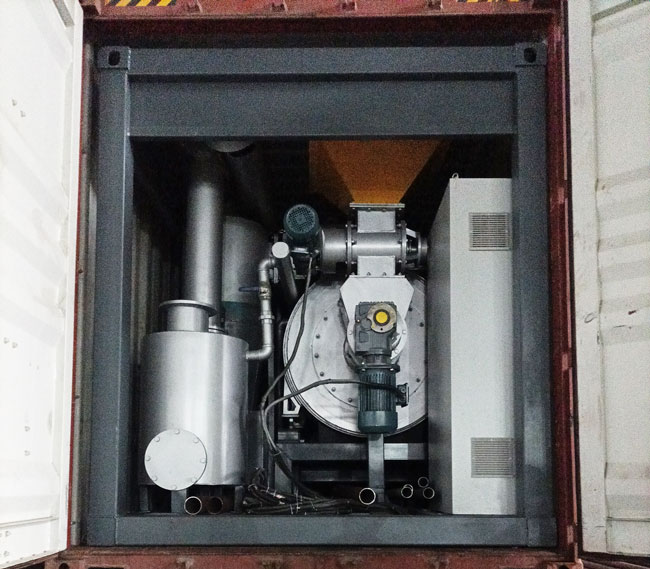
Skid-mounted Mobile Biochar Equipment

Tips For Using Biochar Production Equipment

Once you’ve chosen the right biochar production equipment for your needs, it’s important to use it properly. One of the most important things to remember is that biochar production is a slow process, so you’ll need to be patient. It’s also important to make sure that you follow the manufacturer’s instructions carefully, as this will help to ensure that you produce high-quality biochar.

Biochar production equipment can help you to add extra productivity to your biochar production process. By understanding the benefits of biochar production equipment and how to choose the right one for your needs, you’ll be able to streamline your process and produce more biochar more quickly and efficiently. More information on Beston Company here.

Benefits of an Egg Carton Making Machine

Are you looking for an egg carton making machine? Look no further! In this article, we will discuss the benefits of using an egg carton making machine and how it can help your business.

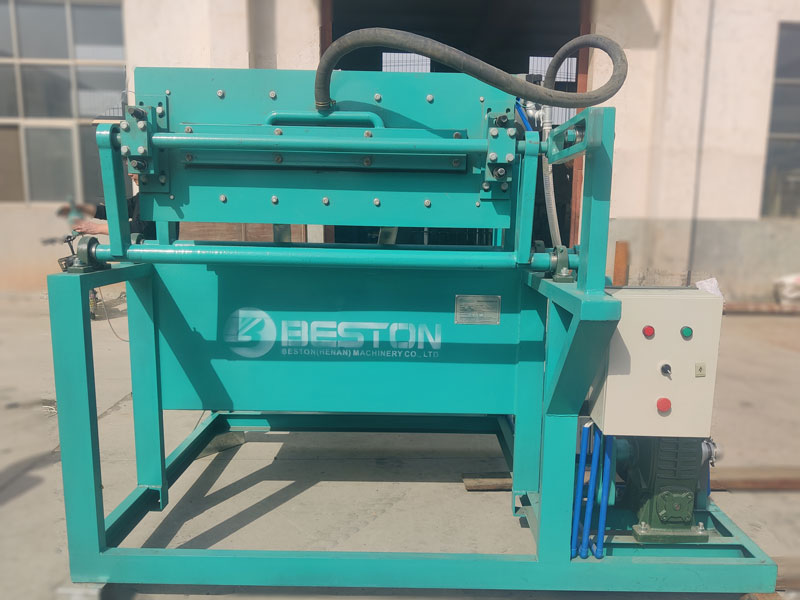
Effective Paper Tray Machine

What is an Egg Carton Making Machine?

An egg carton making machine is a piece of equipment that is designed to make egg cartons from raw materials like waste paper. The machine takes in the raw materials, and through a series of processes, it converts them into egg cartons of different sizes and shapes. The machines can produce egg cartons in large quantities, which makes it ideal for businesses that deal with eggs, such as poultry farms.

Benefits of using an Egg Carton Making Machine

Increased efficiency

With a manual egg tray making machine, you can produce egg cartons in large quantities, which means you can meet the demands of your customers. The machines are automated, which means you can produce more egg cartons in a shorter amount of time than you would with manual labor.

Cost-effective

Using an egg carton making machine can save you money in the long run. Instead of buying pre-made egg cartons, you can produce them in-house. This means you can save money on paper egg tray making machine price transportation costs and reduce your overall production costs.

Customization

An egg carton making machine can produce egg cartons of different shapes and sizes. This means you can customize your egg cartons to meet the specific needs of your customers. Customization can help you stand out from your competitors and attract more customers.

Eco-friendly

An egg carton making machine is eco-friendly because it uses waste paper as its raw material. This means you are recycling paper that would otherwise end up in a landfill. By using an egg carton making machine, you are contributing to a sustainable environment.

If you’re interested, here are ,pre details about this machine: https://pulpmouldingmachines.com/industrial-packaging-machine/.

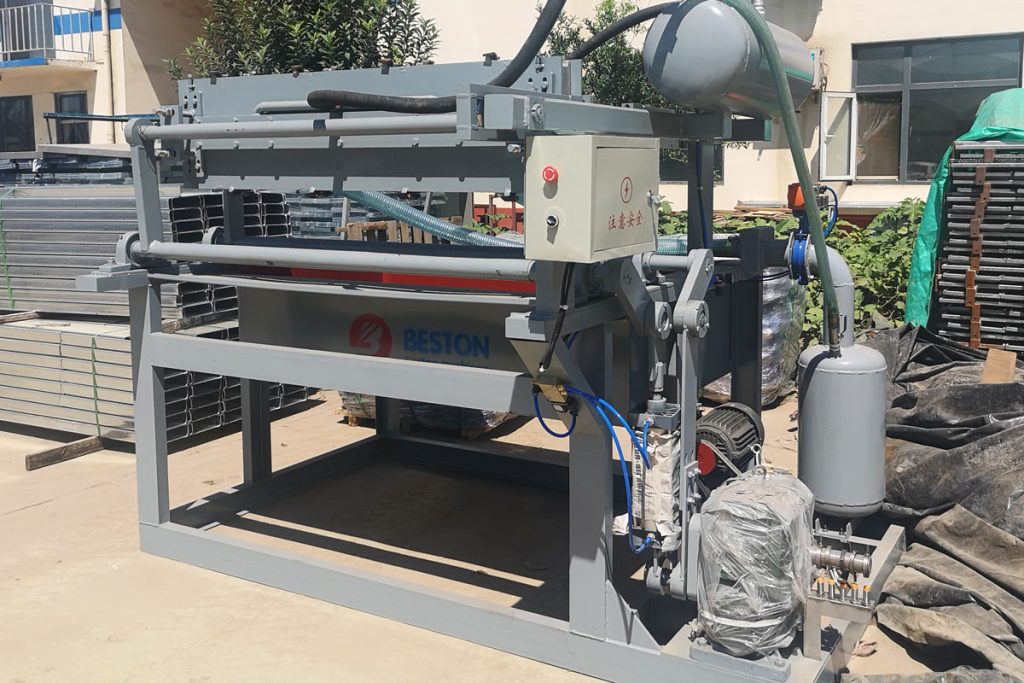
Affordable Paper Tray Machine

Conclusion

In conclusion, an egg carton making machine can help your business in many ways. It can increase efficiency, save you money, customize your products, and contribute to a sustainable environment. If you are in the egg business, investing in an egg carton making machine can be a wise decision that will benefit your business in the long run.

Benefits of the Egg Tray Manufacturing Machine

If you run a poultry farm or are looking to start your entrepreneurship journey, an egg tray manufacturing machine is a piece of equipment that you should definitely consider. If you have a poultry farm, you probably spend a lot of money buying egg trays. An egg tray-making machine allows you to make your own egg trays cheaply and conveniently. If you are looking to start your own business, making and selling egg trays is a lucrative venture.

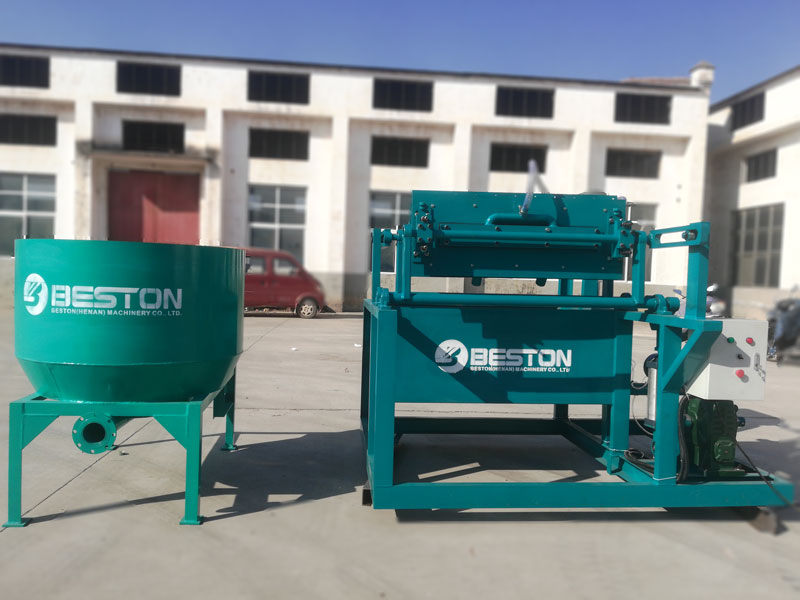
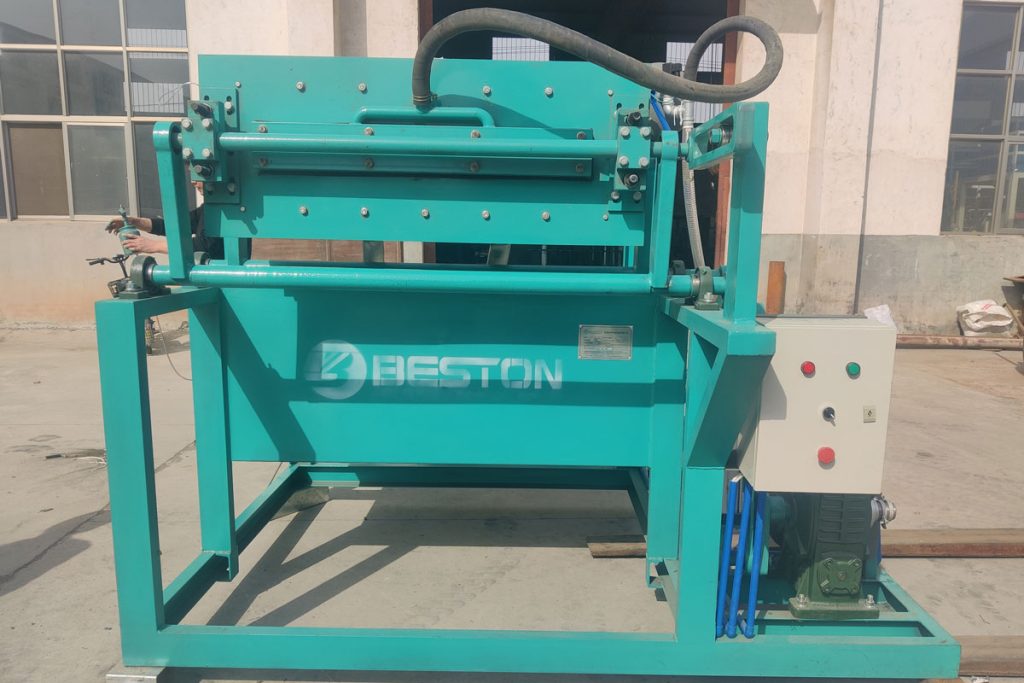
BTF1-4 Egg Tray Machine Delivered to the Philippines

The egg tray manufacturing machine utilizes waste paper pulp ( old books, used egg trays, magazines, newspapers, and more) and plant fiber pulp ( straw pulp, reed pulp, wood pulp, bamboo pulp, and more) as the main ingredient in making egg trays. Depending on where you reside, these raw materials are cheap and readily available. The molded pulp packaging machinery has the ability to make 1,000 – 6,000 egg tray pieces per hour, depending on your requirements.

Here are some of the key benefits of investing in an egg tray manufacturing machine:

Produce your own egg trays

When running a poultry farm, you typically rely on a supplier to get your egg trays. This is not only expensive but also very inconvenient, especially when the demand is high. With your own egg tray-making machine, you will be able to make as many egg trays as you want whenever needed. This helps to save you time and extra expenses.

Saves you money

Buying egg trays is expensive in the long run. Remember, your supplier will be selling their egg trays for a profit. This means that you will be getting your egg trays for a much higher price than it costs to produce. While purchasing a pulp molding machine is a bit costly, it quickly pays for itself as you save on the costs of buying from a supplier. Also, the plant uses cheap materials that are readily available.

Earns you extra revenue

Having an egg tray manufacturing machine allows you to produce as many egg trays as you want. You can choose to sell the excess egg trays produced for a profit. It can also be your side business. After establishing a loyal customer base, you can expect to make a substantial income.

Know more details about this machine: https://pulpmouldingmachines.com/egg-carton-making-machine/.

BTF1-3 Egg Tray Machine to the Philippines

A wide range of options

There are many different types of egg tray-making machines with different specifications to meet different requirements. If you are a small-scale poultry farmer, there is a small egg tray-making machine option with a small production capacity and a lower price tag. Thus, even with a low budget, you can be able to obtain your very own paper tray making machines that meets your specific needs.

Ease of use

The egg tray-making machine is easy to use and doesn’t require a lot of labor. If you are running a large-scale operation, you can choose the fully automatic egg tray making machine that feeds, forms, dries, and packages the egg trays for you. It has a production capacity of up to 7,000 egg tray pieces per hour.

As you can see, the egg tray manufacturing machine is an important piece of equipment to have for both poultry farmers and entrepreneurs. However, before making any purchase, ensure to do some proper research.

What Is A Thermal Desorption Unit?

The latest reclamation technologies and processes have started to change the method by which oil refineries used to process materials, which now does not involve incineration or disposal. TDUs, which are short for Thermal Desorption Units are used in several different industries for heating contaminated materials to a high temperature for long enough so that the materials dry and the contaminants are vaporized from them.

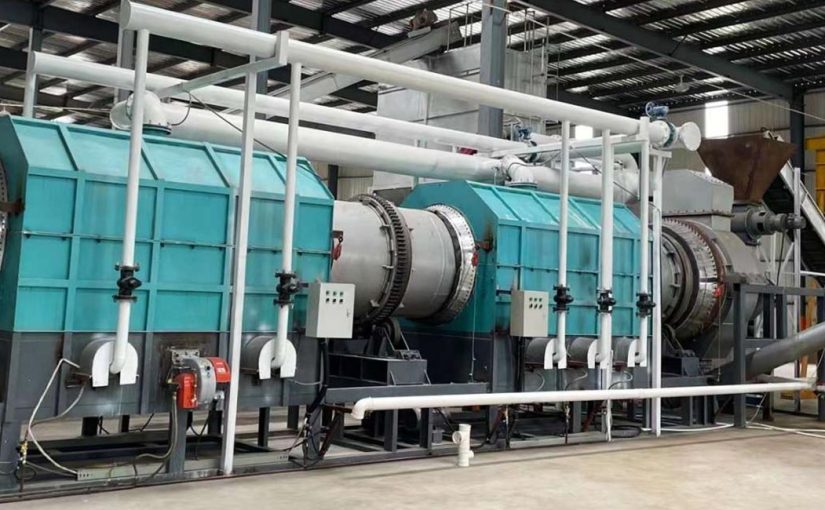
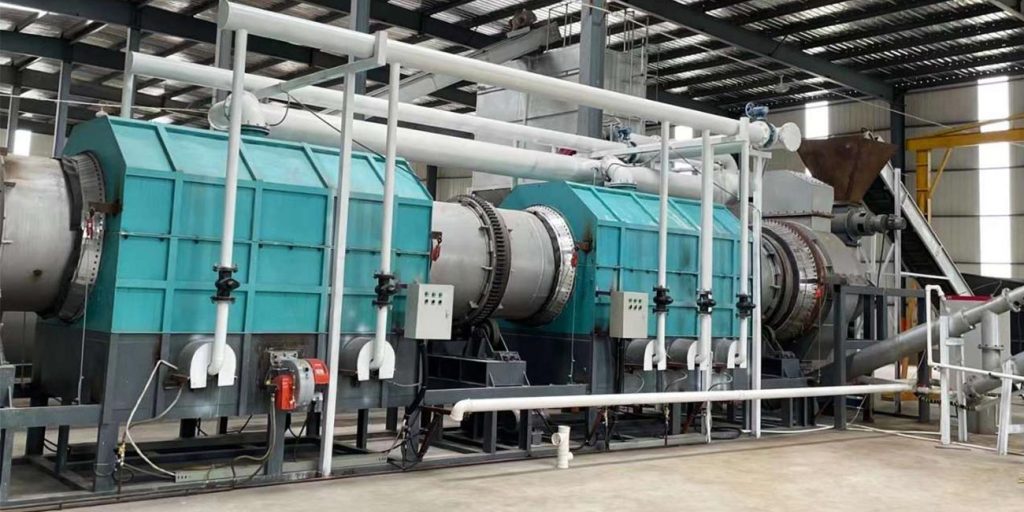
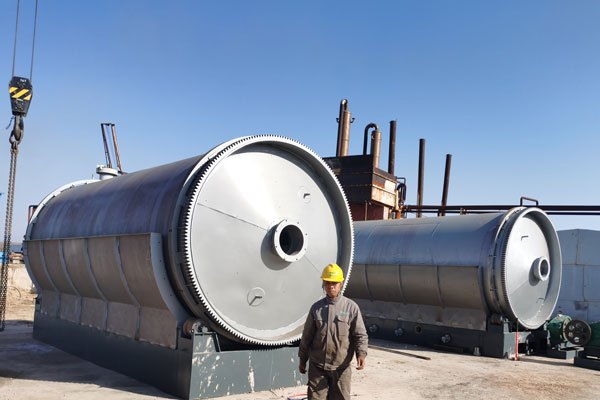
waste tyre pyrolysis plant

What Is Thermal Desorption?

Thermal desorption is described as a type of reclamation process that separates hydrocarbons from different material types. These processes use very high heat for reclaiming oil or other types of materials with the use of non-incineration and non-contact technology. Thermal desorption unit is used commonly for processing organic materials like oil-bearing materials from different refineries.

How Does Thermal Desorption Work?

When heat is applied to contaminated materials, these materials (with low boiling points) will turn into vapor. The vapor is collected and undergoes treatment inside an off-gas treatment unit. The waste removal of the pyrolysis machines allows for these contaminated materials to be recycled or repurposed without any problems associated with contamination.

What Is A Thermal Desorption Unit?

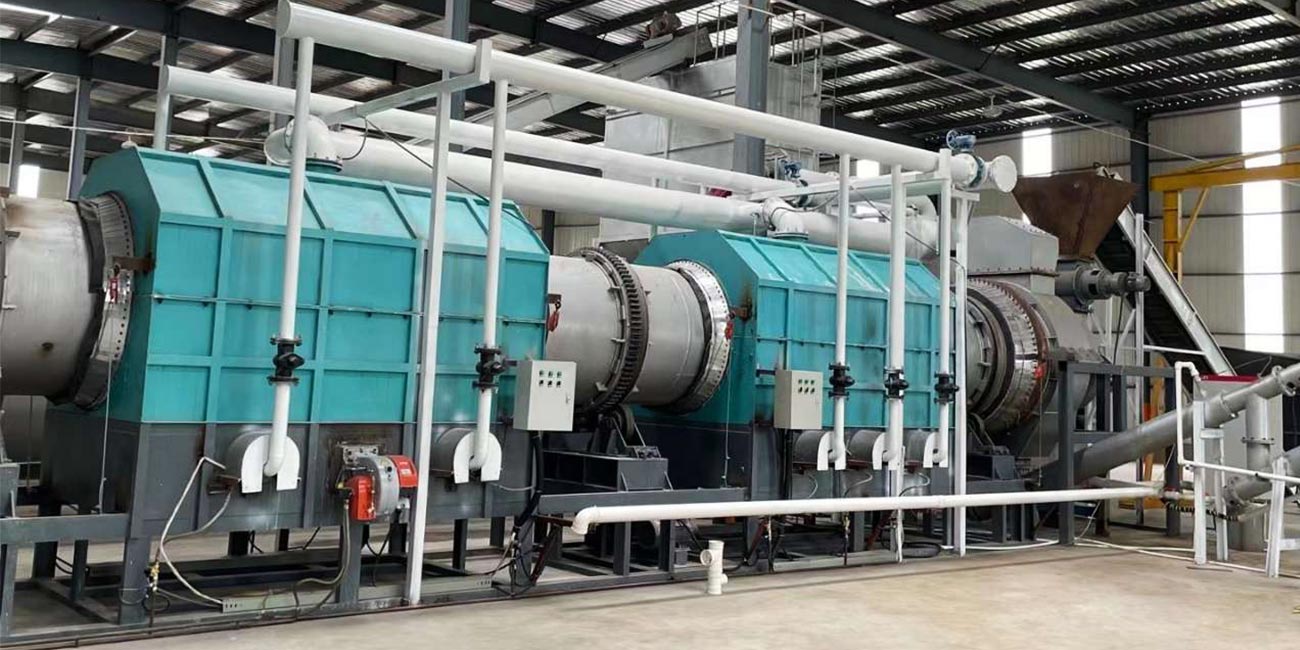
With a Thermal Desorption Unit, the contaminated materials are indirectly exposed to the heat inside a drum that turns slowly which is directly exposed to heat around the exterior shells. The vaporized contaminants then separate from the solid waste, which results in end products that are easy and cost-effective to dispose of.

The common design for these units is the rotary desorber that includes a cylindrical, rotating metal drum. In direct-fired rotary disorders, the contaminated materials enter a rotating cylinder that is heated directly by a flame or the hot gas that comes off the flames. In indirect-fired rotary disorders, the materials are not in contact with the combustion gases or the flame. In these setups, the exterior of the rotating metal cylinder will be heated. The heated metal will then indirectly heat the materials tumbling inside. As the materials start to heat up, any contaminants that are present will vaporize and form part of a stream of gas air and the contaminated vapors that flow through the desorber into a post-treatment system.

If you’re ready to invest in this machine, please visit this website: https://bestonasia.com/how-much-does-a-pyrolysis-plant-cost/.

In some cases, non-reactive gas, like nitrogen will be added into the stream of gas to stop the contaminants that are now vaporized from igniting or catching on fire inside the Thermal Desorption Unit and to assist in removing and vaporizing the contaminants.

Pyrolysis Oil

Why Consider Thermal Desorption?

The process of thermal desorption is an effective method to separate organics from popular products such as paint wastes, waste produced through wood treatment, coal tar waste, and refining wastes. This process can effectively separate pesticides, solvents, PCBs, fuel oils, and dioxins from materials that are contaminated such as soil. The equipment in Beston Group that is required to achieve these tasks can treat as much as 10 tons of contaminated material such as soil per hour. Another reason why many facilities prefer thermal desorption units is that use a lot less fuel when compared to many other types of treatment methods.

The Importance of a Pyrolysis Plant Project Report

When it comes to waste management, pyrolysis is one of the most important processes. A pyrolysis plant project report can be beneficial in understanding the process and its potential implications. The plant converts waste materials into useful products like fuel oil and carbon black. Waste tires are a good example of a material that could be used in a pyrolysis plant project report. By understanding the benefits and challenges of this technology, municipalities can make more informed decisions about their waste disposal options.

There are many factors to consider when designing or implementing a pyrolysis plant project report, such as space availability, feedstock selection, and output product demand. It is important to have a clear understanding of these factors before making any decisions about building or using a pyrolysis plant.

Pyrolysis Plant
Pyrolysis Plant

The Benefits of Creating a Pyrolysis Plant Project Report

A municipality’s purchase of a pyrolysis plant is a major investment. The municipality wants to make sure that it is making an informed decision about the best waste disposal option for its particular circumstances. It will want to know the answer to several questions before making a final decision:

-Does the pyrolysis plant have a good track record?
-What are the operating costs?
-What are the maintenance costs?
-What is the expected lifespan of the plant?
-How much waste does the plant process?
-What is the end product? Does the end product have any market value?

A pyrolysis plant project report can help answer these questions and provide the municipality with the information it needs to make an informed decision. More information on Beston Group here.

Factors to Consider When Designing Or Implementing a Pyrolysis Plant Project Report

1. Space availability

When designing or selecting a pyrolysis plant, it is important to consider the space availability at the site where the plant will be located. The plant will need to be able to process the waste material in an efficient manner, and it must have enough space to store the end products.

2. Feedstock selection

It is also important to consider the feedstock selection. The type of waste material that will be processed by the pyrolysis machine will determine the size and type of plant that is needed.

3. Output product demand

The output product demand must also be considered. The plant must be able to produce the desired quantity of fuel oil and/or carbon black. By measuring demand for these products, it becomes easier to gauge the ROI that the plant can generate.

Recycle Tires into Fuel Oil

4. Other considerations

Other factors, such as waste disposal regulations and environmental impact, must also be taken into account.

The municipality should consider all of these factors when designing or selecting a pyrolysis plant. A pyrolysis plant project report can help to identify the best plant for the municipality’s particular circumstances.

While creating a pyrolysis plant project report can be a time-consuming process, it is important to have a clear understanding of the benefits and challenges of this technology. This information can help municipalities make more informed decisions about their waste disposal options and guide their other actions that relate to helping conserve the environment. Get pyrolysis plant cost here.

The Benefits of a Charcoal Making Machine

There are two types of charcoal making machine: batch type and continuous type. Both are simple to operate and install. They are completely sealed to prevent dust from flying around the production area. They can process different materials and are used to create both dry and wet charcoal. As oil storage is becoming scarce worldwide, charcoal is an ideal fuel alternative. Charcoal is cheap, easily stored and transportable, and convenient to use. However, choosing the best charcoal making machine for your business may require some research.

Charcoal Maker Machine For Sale

Beston Charcoal Making Machine

The Beston charcoal making machine has the advantages of high output rate and high quality product. It can be used to process any kind of biomass wastes, including wood, palm shells, bamboo, sawdust, and diesel. This machine is built with special materials to last for a long time. This biomass pyrolysis plant is exported to many countries, including Malaysia, Australia, and Ukraine. Moreover, its energy-saving features and low cost make it an ideal choice for small and medium-scale producers.

Carbonization Process of Wood

The carbonization process of wood in a charcoal making machine involves substantial heat flows, which affect the quality and efficiency of charcoal production. This process can be understood using a heat balance diagram. However, the principles are not difficult to grasp. For example, in a carbonization process, the input heat must come from the burning of a fuel, usually wood. Hence, if there is no additional heat source, the carbonisation process will not take place.

Raw Materials Used in Charcoal Making Machine

There are three basic steps in making charcoal. The first step is carbonization, which is done in a charcoal kiln. The disadvantages of this method are that it produces huge smoke, requires long carbonization time, and contributes to pollution. This is why many charcoal makers are now turning to a coconut shell charcoal making machine. Listed below are some of these steps and their benefits. Once you understand how these processes work, you can start making charcoal for your own use.

Carbonization Furnace

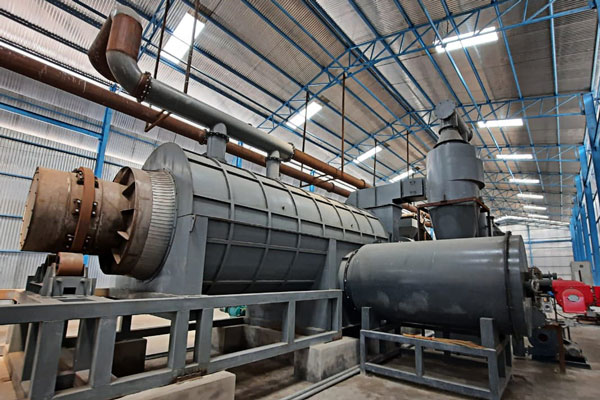
The carbonization process of a charcoal making machine starts from the heating of raw material. After the biomass reaches charring temperature, it is sent into the inner cylinder of a carbonization machine. It is then dries out with a spiral quantitative conveyor. After the carbonization process, the raw material is discharged automatically. The produced combustible gas is reused and can substitute LPG for heating the reactor, which saves energy costs. The charcoal produced is called wood charcoal.

Palm Shell Charcoal
Palm Shell Charcoal

Combustible Gas Used to Heat Dryer

Charcoal making machines are generally equipped with different parts. These parts are carbonization host, drying pretreatment system, slag discharging system, combustible gas condensing system, dust removal system, feeding system, and other parts. Charcoal making machines support biomass pyrolysis. For this purpose, the Beston Group provides rice husk charcoal making machine. These machines are designed according to the needs and requirements of various customers.

Charcoal Briquette Maker

A Charcoal briquette maker machine can be used to make charcoal briquettes from a variety of materials. Some of the most common carbonized materials are coconut shell, sawdust, woodchips, bamboo shavings, chestnut shell, and corn stalk. Other materials used to make charcoal briquettes include rice husk, corn stalk, and sunflower stalk. These materials need to be ground into a fine powder in order to create a briquette.